Designing the Perfect Custom Fresh Boxes: A Progressive Guide
Developing specialized fruit and vegetable boxes requires a strategic approach. Specialists must evaluate environmental impact, functionality, and visual appeal. Picking the appropriate materials is essential for maintaining quality and advancing environmentally conscious practices. Additionally, size and configuration can significantly impact usability and shipping efficiency. Effective visual elements strengthen brand recognition, while thorough testing guarantees strength. Understanding these components will reveal key knowledge into producing remarkable container solutions that resonate to customers. What follows is fundamental to accomplishing those targets.
Choosing the Right Components for Custom Produce Boxes
When choosing materials for custom produce boxes, it is essential to evaluate both performance and environmental responsibility. The choice of material greatly impacts the box's durability, weight, and ability to safeguard the contents. Common materials consist of corrugated cardboard, which offers strength and is recyclable, making it a popular choice for eco-conscious businesses. Compostable options, such as molded pulp or plant-based plastics, also comply with sustainable practices while providing sufficient protection for delicate produce.
Moreover, moisture resistance is indispensable for keeping quality consistent, causing some producers to investigate enhanced substances or specialized coatings. The visual charm of the box deserves consideration, since branding and visual presentation can shape buyer perspective. Ultimately, the appropriate material should balance between maintaining product integrity, appealing to customers, and meeting ecological requirements, confirming that performance and sustainable practices are emphasized within the development procedure.
How to Identify the Right Size and Shape for Functionality?
When choosing the form and dimensions of custom produce boxes, careful assessment of produce measurements is essential for proper storage. Additionally, attention to handling and transport can impact the box design, guaranteeing ease of movement. Optimizing storage space utilization further improves functionality, enabling effective presentation and organization.
Examine Produce Dimensions Carefully
Determining the proper proportions for vegetable containers is vital for functionality and efficiency. Thorough thorough guide assessment of produce dimensions is necessary, as it makes sure that items fit tightly without unnecessary space that might cause damage during storage or transport. Specialized boxes need to support multiple shapes, from tender fruits to oversized produce, while keeping robustness. Additionally, the height and width of the boxes should support efficient stacking and systematic organization, optimizing space in distribution centers. A expertly crafted container not only protects the produce but also boosts market presentation for end customers. Ultimately, meticulous planning of dimensions aids in minimizing waste and improving supply chain experience in the logistics network.
Consider the Management of Handling and Transport
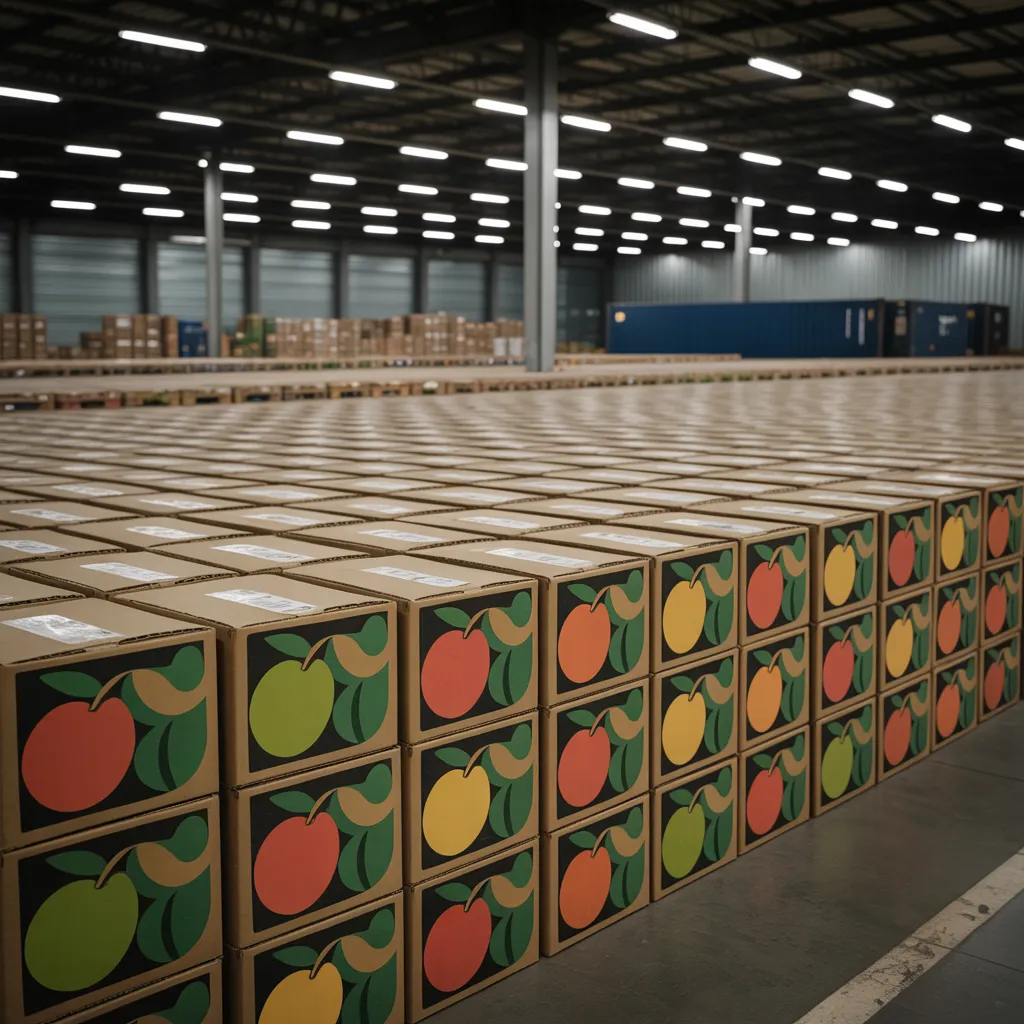
Handling and logistics considerations serve as a considerable function in determining the appropriate dimensions and contour of custom agricultural packaging. The dimensions should accommodate the produce without excessive space, this would lead to shifting and deterioration during transport. Smaller, compact boxes facilitate easier handling, whereas larger boxes could become necessary when handling bulkier items. Moreover, ergonomic design is essential; handles or openings must be positioned deliberately placed so as to provide pleasant hoisting and moving. The shape of the packaging likewise affects stacking and balance, ensuring that products keep secure. Ultimately, careful consideration of such factors boosts the efficiency of shipping, minimizes product damage, plus preserves the comprehensive quality of the produce from farm reaching purchaser.
Optimize Shelf Space Usage
Effective shelf space usage is based on establishing the fitting form and dimensions of custom produce boxes. Specialists should factor in the layout specifications of the storage shelves as well as the types of produce being held. Rectangular boxes often solidify space optimization, permitting for smoother stacking and alignment. By contrast, irregular designs can heighten aesthetic quality but may lead towards wasted space if not thoroughly considered.
It's important to review the product rotation speed; quick-moving products might gain from compact, readily accessible boxes. In addition, applying adaptable or modular frameworks can support various dimensions of merchandise while enhancing shelf arrangement. By stressing functionality and aesthetic value, enterprises can establish a practical and eye-catching presentation that improves both ease of access and product prominence.
How to Design Graphics That Grab Interest?
Striking graphics can convert a straightforward custom produce box into a visual masterpiece that grabs attention. To achieve this, artists should begin by picking a color palette that reflects the freshness and liveliness of the produce. Bright, attention-grabbing colors can evoke emotions of freshness and vitality, driving consumers to take a deeper glance.
Strong typefaces remains equally important; readable typefaces can effectively communicate essential information while boosting visual appeal. In addition, using superior photographs of the produce can form instant engagement, highlighting the item's caliber and enticing prospective customers.
In addition, integrating distinctive visuals and patterns can help differentiate the brand in a crowded market. Uniformity in visual aspects, such as logos and taglines, supports brand identity. Ultimately, a blend of creativity and clarity in graphic design can greatly elevate the influence of custom produce boxes, making them stand out on shelves.
Environmentally Responsible Practices for Custom Produce Box Packaging
A growing number of enterprises are adopting green practices for custom produce box packaging, understanding its importance in today's environmentally conscious market. These practices often feature the use of organic materials, such as recycled paper and plant-based plastics, which minimize environmental impact. Companies are also working on sustainable sourcing, making certain that materials are obtained from responsibly managed forests or suppliers who support environmental stewardship.
Additionally, many brands are selecting minimalistic layouts that reduce waste while still successfully showcasing their products. This approach not only appeals to eco-conscious consumers but also helps in cutting down production costs. Moreover, businesses are progressively implementing efficient manufacturing processes that restrict energy consumption and waste generation. By incorporating these eco-friendly practices, companies not only enhance their brand image but also contribute positively to the planet, matching their operations with a sustainable future.
Inspect Your Custom Produce Box Structure
Assessing the format of tailored packaging containers is a key step in ensuring they fulfill both aesthetic and useful criteria. This process typically involves reviewing aspects including durability, size, and usability. First, trial models should be made to test the box's mechanical strength, confirming it is able to resist transportation and storage without weakening the goods.
Subsequently, usability evaluations can be implemented to determine how easily the boxes can be pried open, closed, and positioned. Input from end users can be vital in this stage, imparting understanding into the box's practicality.
In addition, the design's visual appeal should be validated through focus groups or surveys, analyzing audience responses to branding features, color selections, and full design presentation.
In the end, rigorous testing enables designers to enhance the box, ensuring it not only appeals to customers but also adequately protects and displays the produce within, achieving the right equilibrium between form and function.
Effectively Promoting Your Personalized Produce Boxes
Effective marketing of personalized produce boxes necessitates a strategic approach that highlights their distinctive advantages and value. Businesses must prioritize pinpointing their target audience, whether they are local farms, grocery stores, or individual consumers. Utilizing social networking sites can enhance market visibility, presenting the boxes' design and practicality through compelling visuals and storytelling.
In addition, aligning with regional personalities and growers can reinforce authenticity and increase visibility. Rolling out bargains or markdown offers during busy seasons can entice debut customers and inspire repeat business.
Furthermore, emphasizing environmental sustainability and green values in promotional messaging can engage sustainability-focused buyers. Presenting detailed information about material sources and the advantages of bespoke packaging designs can further set apart the product in a competitive market.
In the end, a extensive promotional approach that blends internet-based and grassroots undertakings will efficiently market custom produce boxes, engaging a wide-ranging clientele and driving sales.
Frequently Posed Inquiries
What Are the Expenses Connected With Custom Produce Box Design?
Expenses involved in custom produce box design include supplies, printing services, labor costs, and shipping. Furthermore, creative design and minimum order quantities can alter total expenditures, causing fluctuating prices based on exact requirements and production volume.
What Duration Is Needed to Manufacture Tailored Boxes?
Producing customized boxes normally demands two to six weeks. Determinants that influence this timeline comprise design complexity, materials sourcing, and production capability, each of which can affect shipment timelines and processing times.
Can I Order a Small Amount of Personalized Produce Boxes?
Yes, small volumes of made-to-order produce boxes can generally be secured. Many suppliers provide minimum order quantities, allowing firms or consumers to obtain tailored packaging options without needing to obligate to large quantities initially.
What Frequent Mistakes Must Be Prevented in Custom Box Creation?
Frequent errors in custom box layout encompass neglecting functionality, ignoring brand consistency, underestimating material quality, failing to take into account target audience preferences, and disregarding environmental impact. Each aspect is essential for effective packaging and customer satisfaction.
How Do I Guarantee My Boxes Are Food Safe?
To verify boxes maintain food-grade status, individuals must pick compounds approved for food contact, avoid harmful inks and adhesives, sustain cleanliness during production, and regularly test for compliance with health regulations and safety standards.