Your Complete Guide to Sustainable Paper Bag Packaging Solutions
The shift towards eco-friendly packaging is more than a trend; it represents a growing consumer demand for sustainable practices. Paper bags, particularly those made from Kraft and recycled materials, offer viable solutions for businesses seeking to reduce their environmental footprint. Understanding the nuances of sustainable packaging can be complicated. However, recognizing the benefits and innovations in paper bag design may provide a pathway for companies looking to enhance their brand image while promoting environmental responsibility.
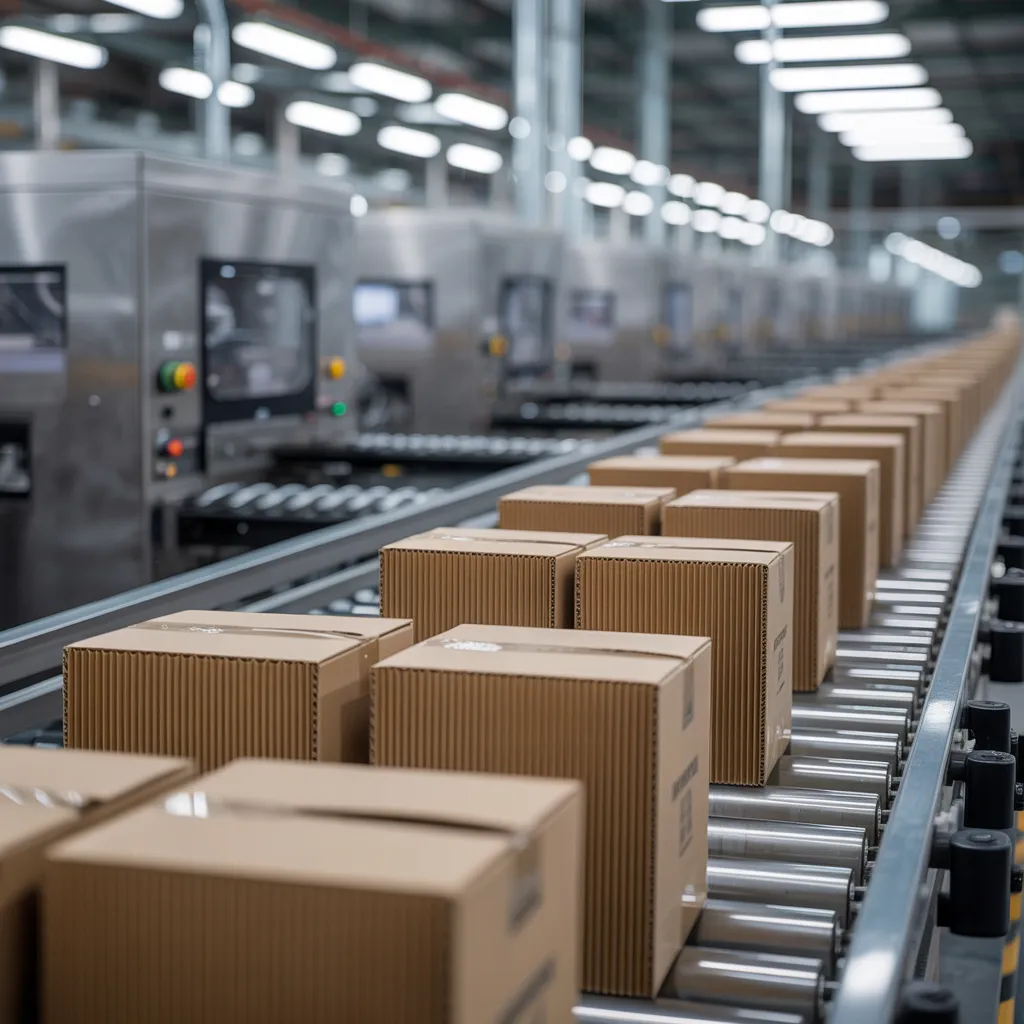
Understanding the Environmental-related Effect of Packaging
With growing consumer awareness of environmental impact, understanding the environmental impact of packaging has never been more critical. Packaging stands as a substantial factor in waste and pollution, with many conventional materials, such as plastic, taking centuries to decompose. The extraction of raw materials, energy consumption during creation, and transportation emissions further exacerbate the environmental burden. In contrast, eco-friendly packaging solutions aim to reduce this impact by utilizing sustainable materials and processes. These alternatives often prioritize recyclability, biodegradability, and renewable resources, reducing ecological harm. Additionally, the shift towards eco-conscious consumer behavior has motivated businesses to review their packaging choices carefully. By implementing environmentally responsible packaging, companies not only strengthen their brand image but also contribute beneficially to the planet. Finally, understanding the environmental impact of packaging empowers all stakeholders to make informed decisions that support sustainability.
Varieties of Environment-Friendly Paper Bags
The selection of eco-friendly paper bags offered today includes Kraft paper bags, recycled paper options, and biodegradable options. Each type provides distinct benefits for sustainability-focused consumers and businesses. Understanding these alternatives is essential for making eco-friendly packaging choices.
Kraft Paper Bag Solutions
Kraft paper bags represent a versatile and sustainable option for environmentally aware consumers and businesses alike. Made from natural and biodegradable paper, these bags deliver a natural look and feel, making them ideal for packaging food and retail products. Their strength and durability enable the transportation of multiple products, from food items to presents, without sacrificing quality. Additionally, kraft paper bags are obtainable in numerous sizes and styles, including both flat and gusseted designs, addressing different demands. The bags can be conveniently customized with prints and logos, improving branding efforts while supporting additional information environmental responsibility. By selecting kraft paper bags, businesses can synchronize their packaging decisions with eco-friendly practices, thereby attracting a expanding demographic that prioritizes eco-friendly alternatives.
Recycled Paper Solutions
Recycled paper options present a sustainable alternative to traditional packaging materials, strengthening the environmentally conscious philosophy created by kraft paper bags. These alternatives use post-consumer waste, considerably decreasing the demand for virgin materials. Common types of recycled paper bags include those produced from 100% recycled content, which can be further grouped into various grades based on strength and thickness. Moreover, recycled paper bags can be printed using green inks, decreasing environmental impact while retaining visual attractiveness. Their flexibility allows for use in multiple retail settings, from small stores to grocery stores. By choosing recycled paper bags, businesses not only support waste reduction efforts but also appeal to sustainability-minded consumers looking for sustainable choices.
Biodegradable Paper Options
Biodegradable paper options provide an innovative approach to eco-friendly packaging, meeting the growing demand for sustainable solutions. These bags are commonly made from natural fibers that decompose within a short time frame when exposed to environmental conditions. Common types include kraft paper bags treated with biodegradable coatings, which boost their durability while maintaining their eco-friendly status. Furthermore, some biodegradable paper options incorporate plant-based materials, further promoting sustainability. Businesses opting for these bags benefit from a reduced carbon footprint and a positive brand image, appealing to environmentally conscious consumers. As awareness of environmental issues increases, biodegradable paper variants are becoming a preferred choice for packaging, demonstrating a commitment to sustainability without compromising functionality.
Perks of Utilizing Paper Bags for Your Enterprise
As sustainability becomes increasingly important to consumers, businesses that adopt paper bag packaging can improve their brand image while engaging environmentally conscious customers. Using paper bags indicates a commitment to eco-friendly practices, cultivating customer loyalty. This packaging option is often seen as more natural and less harmful to the environment versus plastic alternatives, making it an attractive choice for businesses striving to differentiate themselves.
Moreover, paper bags are adaptable and can be personalized to reflect a brand's identity, which can enhance brand recognition. They offer exceptional strength compared to plastic, permitting the safe transport of goods. Additionally, paper bags are recyclable and biodegradable, corresponding to the growing demand for sustainable products.
Adopting paper bags can also lead to potential cost savings in waste management, as consumers are more likely to reuse them. To summarize, implementing paper bags can greatly benefit businesses concerning brand perception, customer loyalty, and environmental responsibility.
Creative Designs in Paper Bag Product Wrapping
Creative approaches to paper bag packaging design have become an essential component of today's retail environment, drawing interest from consumers and companies equally. These designs not only enhance aesthetic appeal but also improve functionality and user experience. Imaginative forms, distinctive fastening mechanisms, and bold graphics enable companies to differentiate themselves in competitive displays while communicating their brand essence successfully.
Additionally, customization options enable businesses to tailor packaging to particular products or target demographics, cultivating a stronger connection with consumers. Features such as reinforced handles and eco-friendly coatings contribute to durability without sacrificing sustainability.
The incorporation of technological elements, including QR codes and augmented reality features, further engages customers, providing an interactive dimension to the shopping experience. As sustainability becomes increasingly paramount, these innovative designs reflect a commitment to both style and environmental responsibility, making certain that paper bags remain a top choice for modern retailers looking to balance aesthetics with eco-consciousness.
Sourcing Sustainable Materials for Paper Bags
Obtaining sustainable materials for paper bags requires a focus on sustainable resources and the merits of recycled paper. Utilizing these materials not only minimizes environmental impact but also improves the overall sustainability of packaging solutions. Moreover, obtaining certifications for sustainability can further verify the eco-friendly claims connected to paper bag production.
Sustainable Energy Solutions
When evaluating eco-friendly paper bag packaging solutions, the option of sustainable materials plays a essential role in reducing environmental impact. Renewable resource options, such as bamboo, hemp, and sustainably sourced wood pulp, offer solid alternatives to traditional materials. Bamboo, known for its rapid growth and minimal resource requirements, provides a sturdy paper option. Hemp fibers are not only long-lasting but also require less water and pesticides compared to conventional crops. In addition, wood pulp from responsibly managed forests ensures that the paper production process does not contribute to deforestation. By using these renewable resources, manufacturers can create eco-friendly paper bags that support sustainable practices while meeting consumer needs, ultimately contributing to a circular economy and reducing reliance on non-renewable materials.
Advantages of Using Recycled Paper
Recycled paper presents a compelling option for eco-friendly packaging, complementing the use of renewable resources. Employing post-consumer waste considerably decreases the requirement for virgin materials, thereby preserving forests and decreasing environmental degradation. The production of recycled paper typically requires less energy and water versus traditional paper manufacturing, which not only decreases carbon emissions but also conserves valuable resources. Furthermore, recycled paper helps steer waste from landfills, fostering a circular economy where materials are recycled rather than discarded. By choosing recycled paper in packaging solutions, businesses can improve their sustainability practices while attracting environmentally conscious consumers. This choice demonstrates a commitment to minimizing environmental impact and supporting sustainable development goals.
Sustainability Credentials
Numerous certifications exist to assist businesses in sourcing sustainable materials for paper bags, making certain that environmental standards are met. Important certifications include the Forest Stewardship Council (FSC), which encourages responsible forest management, and the Sustainable Forestry Initiative (SFI), which focuses on sustainable practices in forestry. Additionally, the Cradle to Cradle Certified™ designation evaluates products based on their environmental and social performance throughout their lifecycle. Moreover, the Global Recycle Standard (GRS) verifies recycled content and responsible production practices. By adhering to these certifications, companies can show their commitment to sustainability, improve their brand reputation, and attract eco-conscious consumers. Eventually, these certifications serve as essential tools for businesses seeking to minimize their ecological footprint while contributing to a more sustainable future.
Strategies for Shifting to Eco-Friendly Packaging Alternatives
Adopting eco-friendly packaging alternatives can greatly benefit both organizations and the environment. To begin this shift, companies should first analyze their current packaging materials and identify aspects for improvement. It is essential to research diverse green options, such as recycled paper, biodegradable plastics, or compostable materials. Collaborating with suppliers who value sustainability can help optimize this process.
Subsequently, businesses should inform their workforce and clientele about the positive aspects of eco-friendly packaging, promoting a culture of environmental accountability. Phasing in changes, such as initiating with a single product line or seasonal packaging, can facilitate the conversion. In addition, obtaining feedback from customers can provide understanding into the success and attractiveness of the new packaging.
Lastly, monitoring the environmental impact and monitoring progress will help businesses refine their strategies, ensuring that they remain committed to sustainability while meeting consumer demands.
Frequently Asked Questions
Can You Recycle Paper Bags More Than Once?
Paper bags can typically be recycled multiple times, contingent upon their condition and the available recycling facilities. Nonetheless, continuous recycling can weaken the fibers, making the material less ideal for subsequent use in packaging.
Are There Any Certifications for Eco-Friendly Paper Bags?
Yes, several certifications exist for eco-friendly paper bags, including the Forest Stewardship Council (FSC), Sustainable Forestry Initiative (SFI), and Cradle to Cradle. These certifications verify eco-friendly production methods and sustainable material sourcing for packaging materials.
What's the Correct Method for Disposing of Paper Bags?
Appropriate disposal of paper bags requires recycling them in designated bins and keeping them clean and dry. In cases where recycling is unavailable, composting offers an environmentally conscious alternative, given that paper bags decompose naturally over time.
Can Paper Bags Be Composted?
Paper bags can indeed be composted, assuming they lack plastic coatings and contaminants. They biodegrade naturally, enriching soil while reducing landfill waste, making them an eco-friendly choice for use in composting systems.
What Are the Cost Differences Between Paper and Plastic Bags?
While costs vary depending on region and supplier, paper bags typically cost more to produce than plastic bags. That said, pricing fluctuates according to material availability and environmental regulations.